
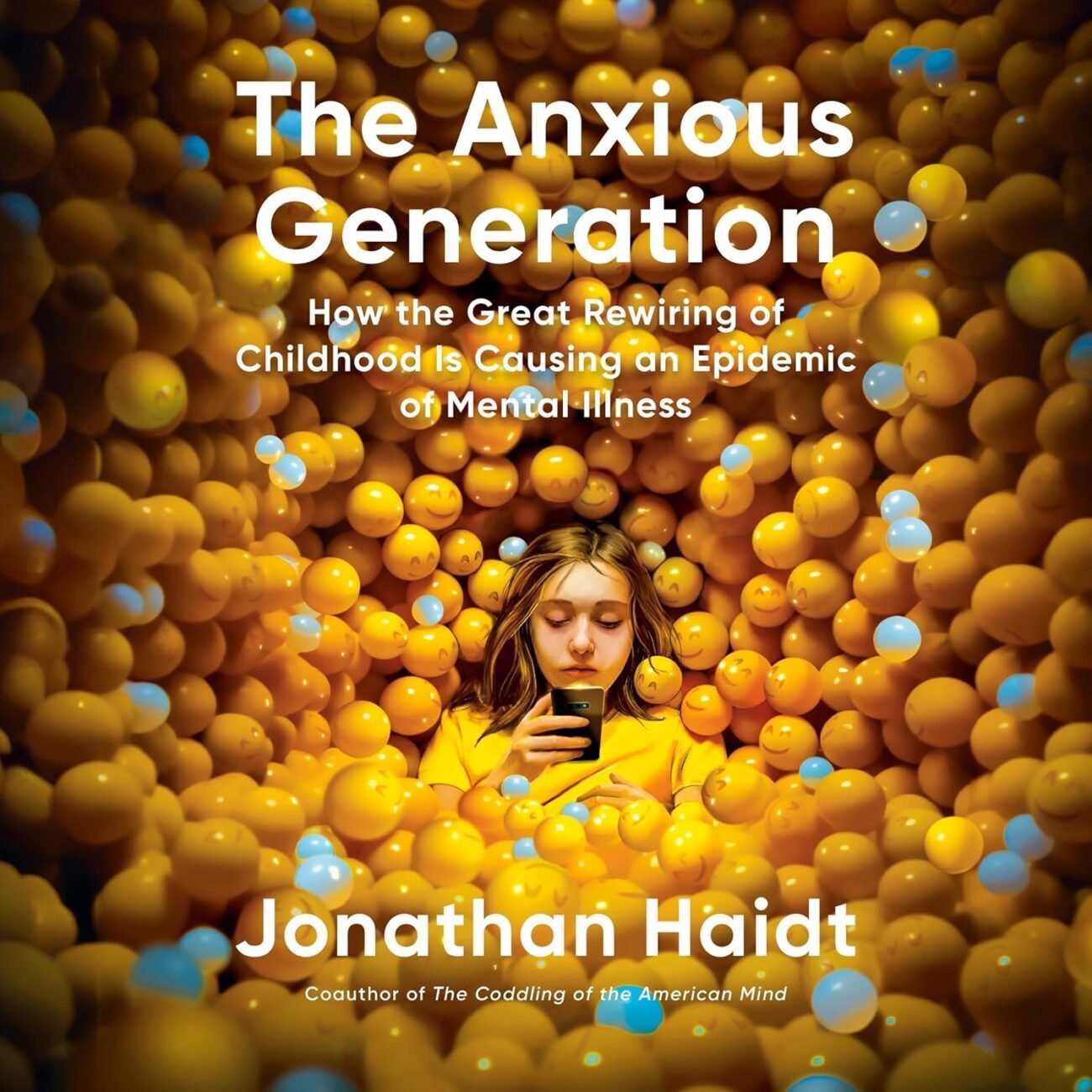
The Anxious Generation: How the Great Rewiring of Childhood Is Causing an Epidemic of Mental Illness
Discover why The Anxious Generation: How the Great Rewiring of Childhood Is Causing an Epidemic of Mental Illness stands out among similar products. Learn about its key features, benefits, and real performance.
What Makes The Anxious Generation: How the Great Rewiring of Childhood Is Causing an Epidemic of Mental Illness Special?
Review of The Anxious Generation: How the Great Rewiring of Childhood Is Causing an Epidemic of Mental Illness
Introduction
In a world increasingly dominated by technology, the mental health of our youth has become a pressing concern. Jonathan Haidt’s The Anxious Generation examines this contemporary issue with a critical lens, offering insights that are both alarming and enlightening. Grounded in rigorous research, this book has been recognized as an Instant #1 New York Times Bestseller, a TIME 100 Must-Read Book of 2024, and has garnered accolades from various esteemed publications and public figures, including Barack Obama. This review seeks to explore the book’s key features, usability, design quality, strengths, and weaknesses, while identifying the ideal users and best use cases.
Key Features and Real Usability
Comprehensive Investigation
Haidt dives deep into the data, presenting an alarming correlation between the rise of smartphone use and the deterioration of adolescent mental health since the early 2010s. The book systematically outlines how various factors—including social media and a decrease in independent play—have contributed to significant increases in depression, anxiety, and self-harm among teens.
Well-Structured Content
The book is masterfully structured into clear sections, facilitating ease of exploration for readers. Each chapter tackles a specific aspect of childhood development, allowing parents, educators, and policymakers to absorb information methodically. Topics like sleep deprivation, social comparison, and the psychological implications of social media are pronounced with clarity, enriching the content without overwhelming the reader.
Actionable Solutions
One of the most impactful features of Haidt’s work is his call to action. He doesn’t merely highlight the problems; he offers several feasible solutions that can be implemented by various stakeholders, including parents, teachers, and technologists. The four simple rules proposed by Haidt—designed to foster healthier childhoods—serve as a workable roadmap for anyone concerned about youth mental health.
Quality, Materials, and Design
Writing Style
Haidt’s writing is engaging and accessible, making complex psychological concepts digestible for a broad audience. His tone combines urgency with empathy, effectively communicating the stakes involved while also suggesting hope for a way forward.
Visuals and Presentation
The book features minimal illustrations, focusing instead on succinct prose and well-researched data points. This approach aligns well with its purpose: to inform and educate without unnecessary distractions. The text is segmented for easy reading, emphasizing critical findings and takeaway points, which enhances usability significantly for busy readers.
Strengths and Weaknesses
Strengths
-
Data-Driven Insights: One of the book’s greatest strengths lies in its foundation of empirical evidence. Haidt backs his claims with a plethora of studies and statistics, enhancing the credibility of his arguments.
-
Broad Appeal: Whether you are a parent grappling with your child’s mental health, an educator seeking to understand student behavior, or a policymaker looking for data-driven strategies, the book speaks to a wide array of readers with varying concerns.
-
Balanced Approach: Haidt manages to discuss complex issues without demonizing technology fully. He acknowledges the benefits of technology while stressing the necessity for moderation and mindful use.
- Empowering: The book doesn’t just present problems; it equips readers with the tools to take action, fostering a sense of empowerment that is crucial for stakeholders invested in supporting youth well-being.
Weaknesses
-
Overemphasis on Technology: While Haidt presents a compelling case regarding the adverse effects of technology, some critics may argue that he underestimates other contributing factors like socioeconomic status, family dynamics, and education systems.
-
Narrow Focus on Adolescents: The book concentrates primarily on adolescents and somewhat overlooks younger children’s experiences. While the focus on teens is justified, a broader scope could provide a more holistic view of childhood development.
- Potential for Alarmism: While the urgency of the topic is warranted, some readers may feel the tone veers towards alarmism. The data is alarming; however, a more tempered discussion could serve to better engage skeptics and readers who may initially resist such dire warnings.
Ideal User Type and Best Use Cases
Ideal User Type
The Anxious Generation appeals to various demographics but is particularly valuable for:
-
Parents: Anyone raising children in the digital age will benefit from Haidt’s insights and strategies for fostering healthier environments.
-
Educators: Teachers concerned about classroom dynamics and student well-being can use this book to adapt their approaches to meet the emotional and psychological needs of their students.
-
Mental Health Professionals: Psychologists and counselors can find valuable data and insights to aid their practice and inform their therapeutic approaches for adolescents.
- Policy Makers and Researchers: Individuals in public health and education policy can utilize Haidt’s findings to advocate for systemic changes and enhanced support structures for youth.
Best Use Cases
-
Parenting Workshops: Those leading parenting courses can draw on the book’s comprehensive strategies to educate parents about the importance of reducing screen time and promoting outdoor play.
-
School Curricula: Educational institutions could integrate Haidt’s findings into curricula to educate both staff and students about mental health, the dangers of social media, and the importance of emotional wellness.
-
Mental Health Initiatives: Mental health organizations can use the book as a foundational text in community outreach programs, helping families better understand modern challenges.
- Public Discourse: This book is an excellent resource for community discussions about the impact of technology on mental health, encouraging more significant community engagement.
Conclusion
Jonathan Haidt’s The Anxious Generation successfully brings a crucial issue to the forefront of public discussion, illuminating the profound impact of technology on youth mental health. With its rich blend of research-backed insights and actionable solutions, the book becomes a vital resource for parents, educators, and policymakers alike. While it does have its drawbacks—ranging from a narrow focus to concerns over alarmism—the overall message and purpose are both timely and significant.
In our rapidly evolving digital landscape, engaging with the themes in The Anxious Generation is not just advisable; it’s essential. If we wish to foster a healthier generation, this book is a necessary starting point. Whether you are a concerned parent, an educator, or a policy advocate, understanding the intricate relationship between childhood development and the digital age can help pave the way for a more balanced and fulfilling childhood experience.
Why Choose The Anxious Generation: How the Great Rewiring of Childhood Is Causing an Epidemic of Mental Illness
- ✅ Designed for convenience and reliability
- 🔍 Offers features that stand out from competitors
- ⚙️ Built with durable, high-quality materials
- 💰 Provides excellent value for the price

Tags
#Anxious #Generation #Great #Rewiring #Childhood #Causing #Epidemic #Mental #Illness
